
The Major Risk Factors That Make Seniors Vulnerable to Online Scams

The target demographic I'm working to help is older adults aged 65 and up. As technology advances rapidly, many seniors struggle to keep up, making them prime targets for digital scammers. They often lack the digital literacy skills needed to identify online threats and protect themselves against increasingly sophisticated forms of fraud. As a result, seniors are most affected by fraudulent scams, both financially and emotionally.
Most of my target customers live on fixed incomes and are mostly retired. Many rely on Social Security and their life savings, which makes financial security critical. Additionally, many seniors, especially minorities in low-income communities, face difficult economic situations with little to no social support or any way to rebuild those savings, making these financial losses even more devastating.
Social isolation further intensifies this problem. Many seniors do not have access to familial support; many have lost spouses, gone through divorces, or have broken relationships with their children. Some deal with physical disabilities that limit their mobility and prevent them from leaving their homes. Without connections to churches, community centers, or local groups, these isolated seniors lack someone to turn to for help filling out forms or getting a second opinion on critical financial decisions. This isolation creates the perfect opportunity for scammers to exploit them without anyone noticing or intervening.
Prolonged loneliness drives some to seek connections wherever they can, even with strangers online. Depression affects their judgment and decision-making abilities. As people age, their cognitive skills naturally slow down. Some customers experience dementia or other mental health issues that seriously impair their ability to recognize danger and make sound choices.
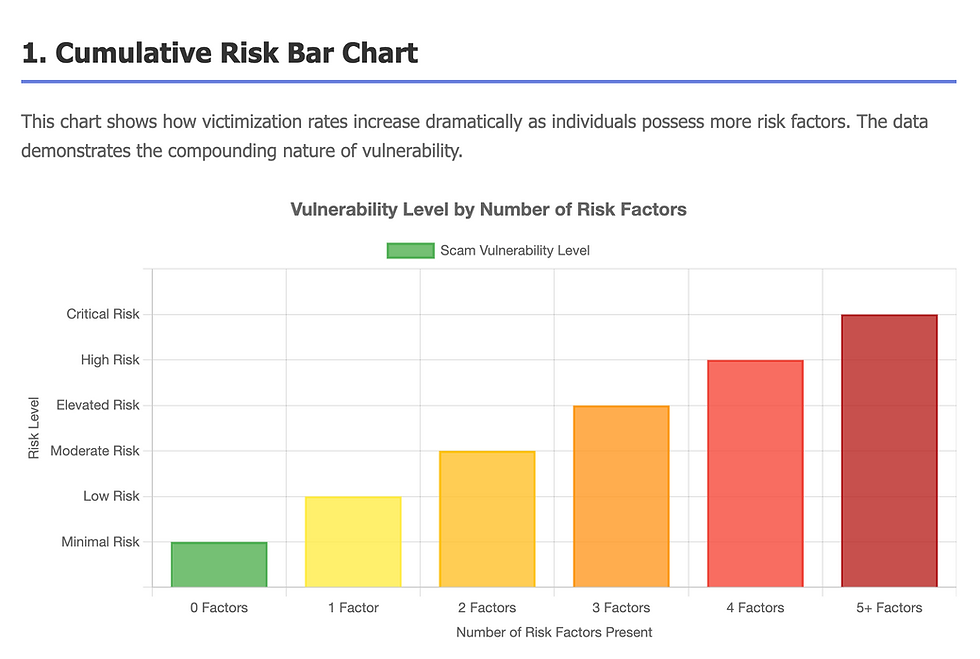
On top of what's been mentioned previously, older adults often sit on the wrong side of the digital divide. That gap is a key reason they are so vulnerable to scams. The tools, platforms, and norms of the online world were not designed with them in mind, and many had to adapt to technology late in life rather than growing up with it. Scammers are well aware of this combination of vulnerabilities. They specifically target older adults because they have accumulated savings, possess limited technological literacy, and often crave social connection.
Addressing this problem requires solutions designed specifically for older adults, not just generic online safety tips. Practical applications should combine clear digital literacy education with strategies that address the risks older adults inherently face. In addition, society must make tools and platforms more accessible, intuitive, and senior-friendly so that older adults can safely use AI tools for their own benefit. By centering their needs and realities in both technology design and education, it becomes possible to restore their sense of security and protect their hard-earned savings in a meaningful way.



Comments